

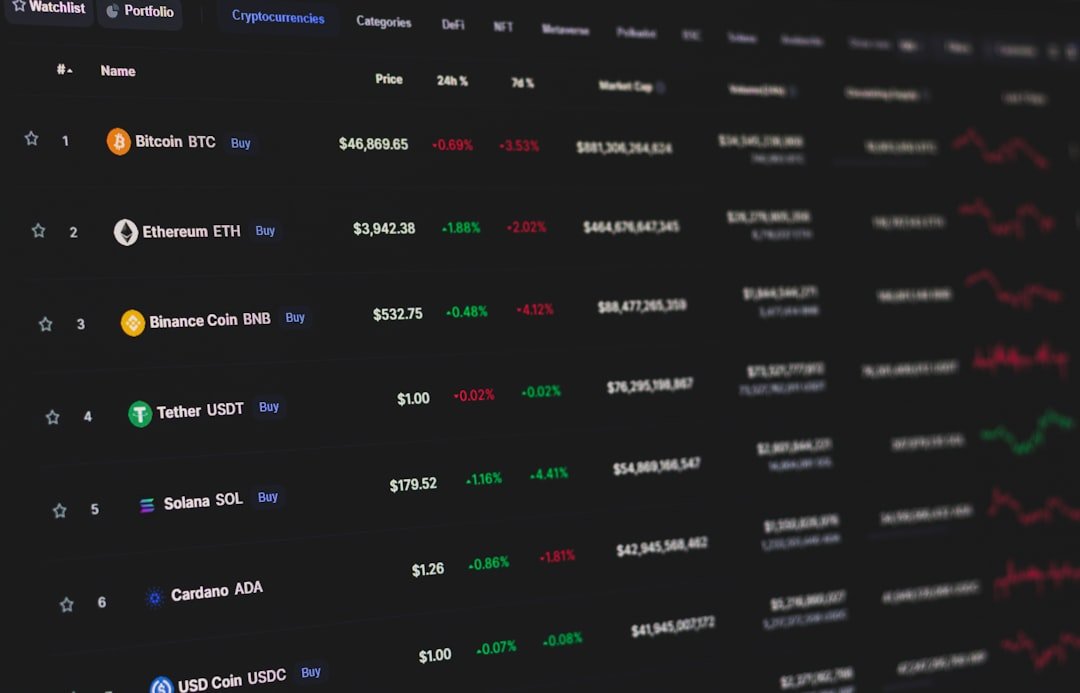
Ever wondered what’s actually happening on a blockchain? It’s a bit like having a bustling city with no street signs or public transport. You know there’s activity, but piecing together what’s what can be a challenge. That’s where blockchain analytics platforms come in – they’re the tools that help us make sense of all that on-chain data, turning raw transactions into understandable patterns and insights.
What Exactly is Blockchain Analytics?
Think of blockchain analytics as a forensic investigation for digital ledgers. Blockchains are transparent, meaning every transaction is recorded and publicly visible. However, this transparency doesn’t automatically equate to understandability. Blockchain analytics platforms employ specialized software and techniques to sift through this vast amount of data. They can identify transaction flows, trace the movement of cryptocurrencies, flag suspicious activities, and even gauge the sentiment around specific tokens or projects. Essentially, they translate the complex language of blockchain code into actionable information.
Why Bother With Blockchain Analytics?
The “why” is pretty straightforward. For businesses and individuals operating in or interacting with the blockchain space, having a clear understanding of what’s happening is crucial. It’s not just about curiosity; it’s about security, compliance, risk management, and making smarter strategic decisions. Imagine trying to navigate a financial market without any data – that’s the situation many face without proper analytics.
One of the most fundamental applications of blockchain analytics is tracing the movement of assets. When a transaction occurs, it’s recorded on the blockchain. Analytics platforms can follow this trail, showing where funds originated, where they went, and who or what was involved.
The Anatomy of a Transaction Trail
- Source and Destination: At its simplest, a trace shows the sender’s address and the recipient’s address. Blockchain analytics tools can go deeper, identifying the specific wallet or smart contract involved.
- Intermediary Wallets: Often, funds don’t go directly from point A to point B. They might pass through multiple wallets or exchanges. Analytics platforms can map these intermediate steps, revealing complex transaction chains.
- Volume and Timing: Beyond just the movement, analytics can highlight the volume of assets transferred and the timing of these transfers, offering clues about the nature of the activity.
Practical Applications of Transaction Tracing
- Reconstructing Events: In cases of hacks or scams, tracing the stolen funds is paramount. Analytics helps law enforcement and security teams follow the money to identify perpetrators and potentially recover assets.
- Due Diligence: For businesses looking to partner with other entities or invest in crypto projects, tracing the flow of funds can reveal the financial health and operational history of those entities.
- Compliance: Regulatory bodies often require entities to demonstrate understanding of fund origins and destinations to prevent money laundering and other illicit activities. Transaction tracing is a key component of this.
Blockchain analytics platforms play a crucial role in enhancing transparency and security within the cryptocurrency ecosystem. For a deeper understanding of how cloud computing intersects with security measures in this domain, you can explore a related article that discusses the implications of cloud technology on data protection and blockchain applications. This insightful piece can be found here: Cloud Computing and Security.
Unmasking Risk: Detecting Illicit Activities
The decentralized nature of blockchain, while offering many benefits, can also be exploited by malicious actors. Blockchain analytics plays a vital role in identifying and mitigating these risks.
Identifying Patterns of Illicit Behavior
- Mixers and Tumblers: These services are designed to obscure the origin of funds by pooling and redistributing them. While some have legitimate privacy use cases, they are also frequently used to launder money. Analytics platforms can often identify transactions interacting with known mixing services.
- Sanctioned Entities: Governments and international bodies maintain lists of sanctioned individuals and organizations. Blockchain analytics tools can flag transactions involving addresses associated with these entities, helping to enforce sanctions.
- Theft and Scams: Analytics can help identify common patterns associated with cryptocurrency theft, such as phishing scams, rug pulls, and fraudulent initial coin offerings (ICOs). This involves recognizing known scam addresses and unusual transaction flows.
- Darknet Markets: Transactions linked to known darknet marketplaces are a significant red flag. Analytics platforms can integrate with databases of such markets to identify associated activity.
How Analytics Tools Combat Illicit Activity
- Real-time Monitoring: Many platforms offer real-time monitoring capabilities, alerting users to suspicious activity as it happens. This allows for rapid response and intervention.
- Risk Scoring: Analytics platforms can assign risk scores to addresses and transactions based on various factors, helping users prioritize their investigations.
- Investigation Support: For law enforcement and compliance teams, analytics provides a powerful toolkit for building cases and gathering evidence related to illicit financial activities.
Beyond the Hype: Gauging Market Sentiment and Trends
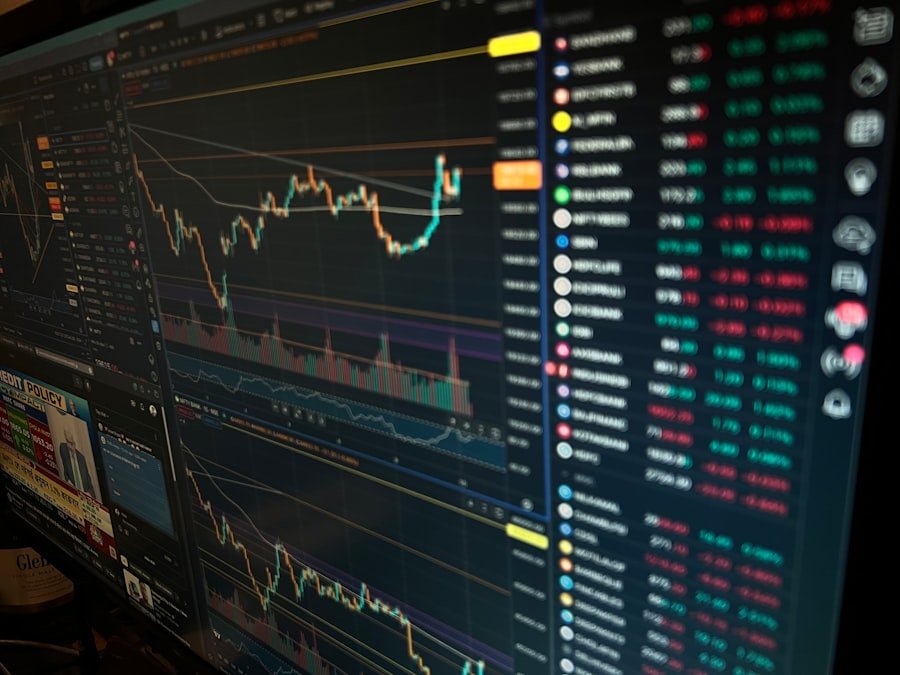
Blockchain analytics isn’t just about security and compliance; it also offers a window into the market itself, helping users understand public perception and emerging trends.
Decoding Public Opinion on the Chain
- Social Media Integration: While not strictly on-chain, many advanced analytics platforms integrate with social media data to correlate on-chain activity with public discourse. This helps understand the sentiment driving price movements or adoption.
- Whale Watching: Large holders of cryptocurrencies, often referred to as “whales,” can significantly influence market prices. Analytics platforms can track the movements and holdings of these large wallets, providing insights into potential market shifts.
- Smart Contract Activity: The adoption and usage of specific decentralized applications (dApps) and smart contracts can be a strong indicator of genuine interest and utility. Analytics can track the volume of transactions and users interacting with these contracts.
Leveraging Sentiment for Strategic Advantage
- Investment Decisions: By understanding market sentiment and the behavior of large players, investors can make more informed decisions about where and when to allocate their capital.
- Project Development: Developers can use analytics to gauge the adoption and interest in their projects, as well as identify areas where users are facing challenges or seeking specific features.
- Risk Assessment: A sudden shift in sentiment, coupled with unusual on-chain activity, can signal a potential downturn or vulnerability in a project.
Deep Dives: Investigating Specific Protocols and Applications
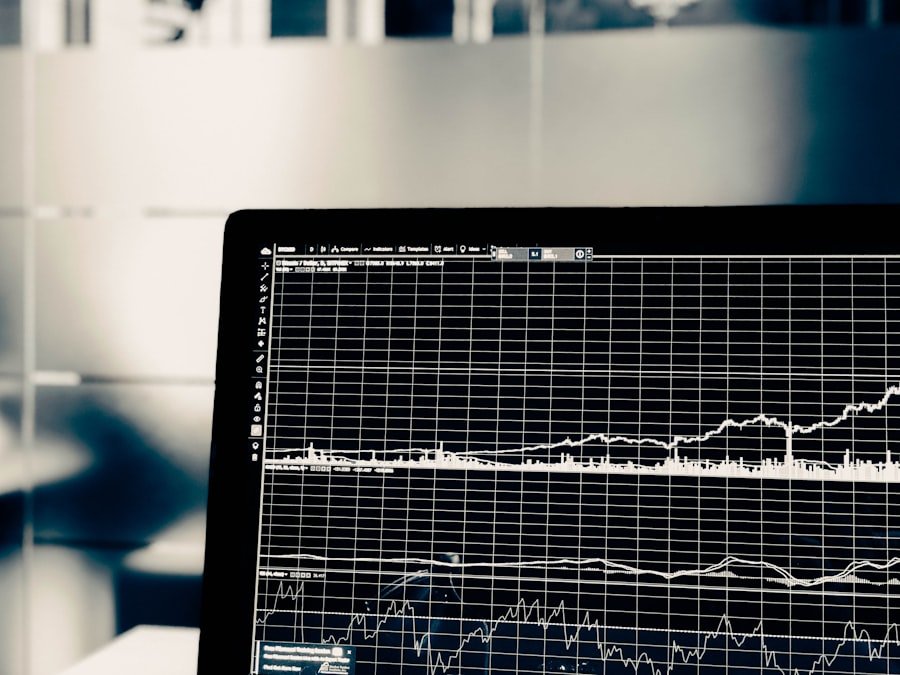
Blockchains are not monolithic; they host a diverse ecosystem of protocols, decentralized applications (dApps), and smart contracts. Analytics platforms can dissect the activity within these specific areas.
Understanding Decentralized Finance (DeFi)
- Lending and Borrowing Platforms: Analytics can track the total value locked (TVL) in DeFi protocols, the volume of loans taken and given, and the utilization rates of various assets. This provides a clear picture of the health and activity within DeFi lending markets.
- Decentralized Exchanges (DEXs): The trading volume, liquidity pools, and user activity on DEXs can be meticulously analyzed. This helps understand which trading pairs are most popular, how much liquidity is available, and the efficiency of trades.
- Yield Farming and Staking: Analytics can monitor the rewards generated, the amount of assets staked, and the participants in various yield farming and staking protocols. This helps assess the profitability and risks associated with these activities.
Exploring Non-Fungible Tokens (NFTs)
- Marketplace Activity: Analytics can track sales volumes, average prices, and the most traded NFT collections on various marketplaces. This helps identify popular artists, trends, and potentially undervalued assets.
- Holder Analysis: Understanding who holds specific NFTs, how long they’ve held them, and whether they’re actively trading can reveal valuable insights into market dynamics and community engagement.
- Smart Contract Interactions: For NFTs, analytics can delve into the smart contract interactions that govern their creation, transfer, and royalties. This provides a deeper understanding of the underlying mechanics.
Blockchain analytics platforms have become essential tools for enhancing transparency and security in the cryptocurrency space. These platforms enable users to track transactions and analyze blockchain data, helping to prevent fraud and illicit activities. For a deeper understanding of how technology can secure digital environments, you might find the article on securing the cloud particularly insightful, as it explores innovative strategies for protecting sensitive information in the digital age.
Tools of the Trade: What Makes a Good Blockchain Analytics Platform?
| Metrics | Description |
|---|---|
| Transaction Volume | The total number of transactions processed by the blockchain analytics platform. |
| Address Clustering | The number of unique addresses that have been clustered together to identify common ownership. |
| Blockchain Explorer Integration | Whether the platform integrates with popular blockchain explorers to provide comprehensive data. |
| Real-time Monitoring | The ability of the platform to monitor and analyze blockchain data in real-time. |
| Compliance Reporting | Features that enable the generation of compliance reports for regulatory purposes. |
With the growing importance of blockchain analytics, numerous platforms have emerged. Choosing the right one depends on your specific needs, but certain features are generally considered essential.
Key Features to Look For
- Breadth of Coverage: Does the platform support the blockchains you are interested in? Major platforms cover Bitcoin and Ethereum, but increasingly, support for other Layer-1s and Layer-2 solutions is becoming crucial.
- Data Depth and Granularity: How detailed is the data? Can it go beyond basic transaction details to smart contract calls, event logs, and token transfers?
- Visualization and Reporting: Can the platform present data in an understandable and actionable way? Good dashboards, charts, and customizable reports are vital.
- Alerting and Monitoring: The ability to set up custom alerts for specific activities or thresholds can be a lifesaver for risk management and opportunity identification.
- Address Tagging and Enrichment: Platforms that can tag known entities (exchanges, mining pools, scam addresses) and enrich transaction data with contextual information significantly improve usability.
- User-Friendliness: Is the interface intuitive? Can someone with moderate technical knowledge navigate and extract meaningful insights without extensive training?
- Scalability and Performance: As the blockchain ecosystem grows, the platform needs to be able to handle ever-increasing data volumes without significant performance degradation.
- API Access: For businesses that need to integrate analytics into their own systems or build custom tools, robust API access is a must.
Different Strokes for Different Folks: Platform Types
- Publicly Accessible Explorers: These are the most basic tools, offering raw transaction data for specific blockchains (e.g., Etherscan for Ethereum). They are free but offer limited analytical capabilities.
- Specialized Analytics Platforms: These platforms offer more advanced features like risk scoring, transaction tracing, and visualization. They are often subscription-based and cater to a wider range of users from individuals to large institutions.
- Enterprise-Grade Solutions: These are typically highly customizable and powerful platforms designed for large financial institutions, regulatory bodies, and enterprises with complex compliance and risk management needs. They often involve significant integration efforts.
In conclusion, blockchain analytics platforms are no longer a niche tool; they are becoming indispensable for anyone serious about navigating the complex and rapidly evolving world of blockchain technology. They provide the clarity needed to understand transactions, mitigate risks, spot opportunities, and ultimately, make informed decisions in this new digital frontier.