

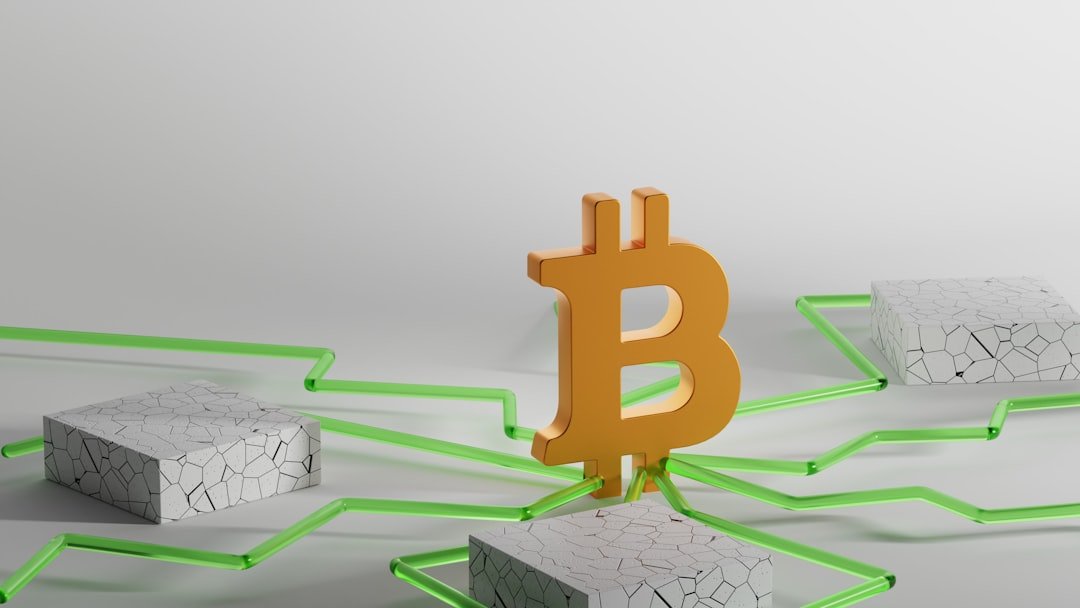
You’ve probably heard a lot about blockchain, and maybe it still sounds a bit like a buzzword. But at its core, blockchain technology is fundamentally changing how we do things across many different industries, making processes more secure, transparent, and efficient. It’s not just about cryptocurrencies; it’s about building trust and streamlining operations in ways we haven’t been able to before.
The Core of the Revolution: What Makes Blockchain So Powerful?
At its heart, blockchain is a distributed, immutable ledger. Think of it like a shared digital notebook where every transaction or piece of data is recorded. Once a record is added, it’s incredibly difficult to alter or delete, and this record is shared across a network of computers, not stored in one central place. This decentralization is key.
Decentralization and Trust
- No Single Point of Failure: Because the data is spread across many computers, there’s no single server to hack or a single entity that controls everything. If one computer goes offline, the network keeps running.
- Enhanced Security: Cryptography is used to secure each “block” of data, linking it to the previous one. This chain makes it very hard for anyone to tamper with past records without everyone else on the network noticing. This inherent security is a game-changer for industries dealing with sensitive information.
Transparency and Immutability
- Open Records: In many blockchain implementations, transactions are visible to all participants (though identities can remain pseudonymous). This transparency means everyone can verify what’s happening, reducing the need for intermediaries to vouch for authenticity.
- Tamper-Proof History: The immutable nature of the blockchain means once a record is made, it’s there permanently. This creates a reliable audit trail, which is invaluable for compliance and dispute resolution.
For those interested in exploring the potential of Blockchain Solutions further, you may find the article on “Innovative Applications of Blockchain Technology” particularly insightful. It delves into various sectors where blockchain is making a significant impact, showcasing real-world examples and future trends. To read more about it, visit this link.
Transforming Supply Chains: From Farm to Fork (and Beyond)
Supply chains are notoriously complex, with many steps and often a lack of visibility. Blockchain is stepping in to untangle this mess, bringing a new level of accountability and efficiency.
Tracking Goods with Precision
- End-to-End Visibility: Imagine being able to trace a product from its origin point – be it a farm, a factory, or a mine – all the way to the end consumer. Blockchain enables this by recording every touchpoint and transfer of ownership.
- Combating Counterfeiting: For high-value goods or products where authenticity is critical (like pharmaceuticals or luxury items), blockchain can provide an unforgeable record of origin and authenticity, making it much harder for counterfeiters to operate.
- Faster Recalls and Audits: If a product needs to be recalled due to a defect or safety concern, blockchain allows for quick and precise identification of affected batches, minimizing risk and cost. Auditing processes become significantly simpler and more reliable.
Streamlining Logistics and Payments
- Automated Processes with Smart Contracts: Smart contracts are self-executing contracts with the terms of the agreement directly written into code. They can automate payments to suppliers once goods reach a certain checkpoint, or release funds upon delivery confirmation, reducing delays and manual paperwork.
- Reducing Disputes: By having a shared, verifiable record of every step, disagreements between parties in the supply chain can be significantly reduced or resolved much faster, as the truth is already documented.
Revolutionizing Finance: Beyond Cryptocurrency
While Bitcoin brought blockchain to the forefront, its potential in finance extends far beyond digital currencies. It’s about rebuilding the very infrastructure of financial transactions.
Faster and Cheaper Transactions
- Cross-Border Payments: Traditional international payments can be slow and involve multiple intermediaries, each adding fees. Blockchain-based systems can facilitate near-instantaneous transfers with significantly lower costs.
- Settlement Times: The time it takes to settle financial transactions, especially in securities trading, can be days. Blockchain can dramatically reduce this settlement time, freeing up capital and reducing risk.
Enhancing Security and Compliance
- Fraud Prevention: The inherent security features of blockchain make it harder for fraudulent transactions to occur or to be disguised. Every transaction is cryptographically secured and recorded on a distributed ledger.
- Regulatory Reporting: For financial institutions, maintaining accurate and auditable records is paramount for regulatory compliance. Blockchain provides an immutable and transparent audit trail, making compliance reporting more straightforward and trustworthy.
- Know Your Customer (KYC) and Anti-Money Laundering (AML): Blockchain can be used to create secure, digital identities that can be verified once and then reused across different financial institutions, streamlining KYC processes and improving AML efforts.
Healthcare’s Digital Overhaul: Patient Data and Beyond
The healthcare industry is grappling with immense amounts of sensitive data. Blockchain offers a way to secure this information and make it more accessible and useful.
Securing Patient Records
- Patient Data Ownership and Control: Currently, patient records are often fragmented across different providers. Blockchain can empower patients by giving them more control over who can access their medical history and for what purpose.
- Interoperability and Data Sharing: While maintaining strict privacy, blockchain can facilitate secure sharing of patient data between authorized healthcare providers, leading to better diagnoses and treatment plans. Imagine a doctor having access to your complete medical history, securely and with your permission, during an emergency.
- Preventing Data Breaches: The decentralized nature and robust encryption of blockchain make it a much more secure environment for storing sensitive health information compared to traditional centralized databases, which are prime targets for hackers.
Improving Drug Traceability and Clinical Trials
- Authenticity of Pharmaceuticals: Similar to supply chain applications, blockchain can track drugs from manufacturing to patient, ensuring they are genuine and haven’t been tampered with, which is crucial for patient safety.
- Streamlining Clinical Trials: The integrity of data in clinical trials is vital. Blockchain can provide an immutable record of trial data, ensuring its accuracy and transparency, which can speed up the drug approval process and build greater public trust.
Blockchain technology continues to transform various industries by providing secure and transparent solutions. For those interested in exploring how private clouds can enhance blockchain implementations, a related article can be found at this link. The integration of private cloud infrastructures with blockchain solutions not only improves data privacy but also optimizes performance, making it a compelling topic for businesses looking to leverage these technologies effectively.
Revolutionizing Real Estate: From Deeds to Digital Assets
The property market is often bogged down by paperwork, intermediaries, and lengthy transaction times. Blockchain is poised to simplify and speed up these processes.
Digitalizing Property Ownership
- Tokenizing Real Estate: Blockchain allows for the “tokenization” of real estate, meaning ownership can be represented by digital tokens. This can lead to fractional ownership, making real estate investment more accessible to a wider range of investors.
- Faster and Cheaper Transactions: The process of buying and selling property can be incredibly slow and costly due to manual verification of deeds, title searches, and legal processes. Blockchain can automate many of these steps, making transactions faster and reducing fees.
- Secure Land Registries: Traditional land registries can be prone to errors or corruption. A blockchain-based land registry would be secure, transparent, and immutable, providing a definitive record of ownership.
Enhancing Property Management and Investment
- Smart Contracts for Leases and Rentals: Lease agreements can be encoded into smart contracts, automating rent payments, security deposit handling, and even the release of keys or access codes upon payment.
- Increased Liquidity: Tokenized real estate can be traded more easily on secondary markets, increasing liquidity for property owners and investors.
Enhancing Governance and Voting: Building Trust in Public Systems
The principles of transparency and immutability that blockchain offers are also highly relevant to how governments and organizations can operate more effectively and with greater public trust.
Secure and Transparent Voting Systems
- Tamper-Proof Ballots: Blockchain can create a secure and auditable system for casting and counting votes, significantly reducing the risk of fraud and increasing public confidence in election results. Each vote would be recorded immutably.
- Increased Accessibility: Secure online voting platforms powered by blockchain could potentially increase voter turnout by making it easier for people to cast their ballots, especially those who face geographical or physical barriers.
- Verifiable Results: Citizens could potentially verify that their vote was counted correctly without compromising the privacy of their individual choice, leading to greater transparency in the democratic process.
Improving Public Record Management
- Immutable Official Documents: Birth certificates, marriage licenses, property deeds, and other official documents can be securely recorded on a blockchain, making them resistant to forgery and easily verifiable.
- Streamlining Bureaucracy: Accessing and verifying official records is often a cumbersome process. Blockchain can create a more efficient system for managing and accessing these records.
The Future is Distributed: Embracing the Blockchain Evolution
Blockchain technology is no longer a niche concept for tech enthusiasts. Its practical applications are rapidly expanding, promising to reshape how we conduct business, manage data, and interact with the world around us. The key is to move beyond the hype and understand its core capabilities: decentralization, security, transparency, and immutability.
As more industries explore and adopt these solutions, we can expect to see more efficient, secure, and trustworthy systems emerge. This evolution is not about replacing everything overnight, but about building better foundations for the future of commerce and governance. The revolution is happening, and it’s being built on trust, one block at a time.