

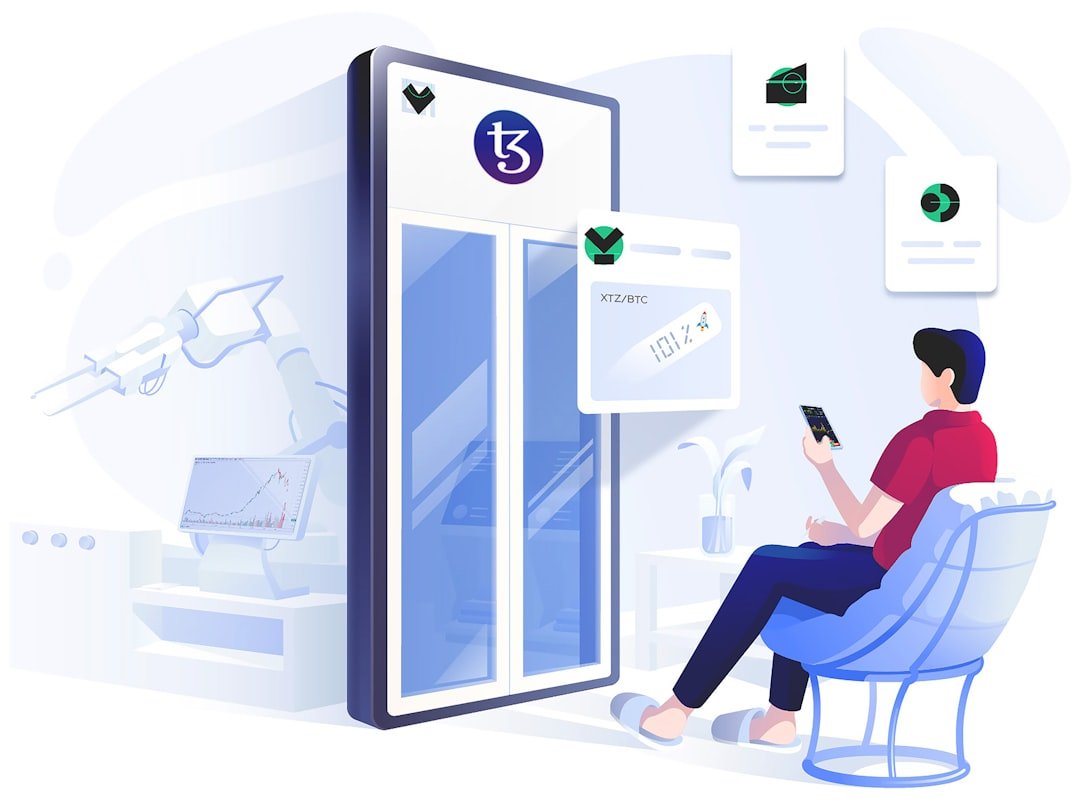
So, you’re wondering about custom blockchain app development and what it actually entails? Simply put, it’s about creating unique, tailor-made applications that run on a blockchain. This isn’t just about cryptocurrencies anymore; it’s about leveraging the underlying technology for a whole host of innovative solutions across various industries. Think transparent supply chains, secure digital identity systems, efficient data sharing, and entirely new business models. Instead of using off-the-shelf tools that might not perfectly fit your needs, custom development allows you to design a solution from the ground up that addresses your specific challenges and goals.
You might be thinking, “Blockchain? Isn’t that just for crypto?” And while cryptocurrency was certainly its most visible initial application, the technology itself offers some compelling advantages that extend far beyond digital money. Custom blockchain apps open up possibilities for solving problems that traditional centralized systems often struggle with.
The Problem with Off-the-Shelf Solutions
Most generic software solutions are designed to be one-size-fits-all, or at least one-size-fits-most. While convenient, this often means compromises. You might end up paying for features you don’t need, or worse, finding crucial functionalities missing. For complex business processes or highly specific industry requirements, shoehorning your operations into a pre-built platform can be inefficient, costly in the long run, and even introduce security vulnerabilities if you’re trying to adapt it in ways it wasn’t intended. Custom development, on the other hand, allows you to build exactly what you need, nothing more, nothing less.
Unlocking Unique Business Value
This is where custom blockchain truly shines. By designing an application from scratch, you’re not just digitizing an existing process; you’re often reimagining it.
Enhancing Trust and Transparency
One of blockchain’s core tenets is its immutable and transparent ledger. For businesses dealing with sensitive data, supply chain logistics, or regulatory compliance, this means a verifiable audit trail that’s incredibly difficult to tamper with. Imagine a food supply chain where every step, from farm to fork, is recorded on a blockchain – consumers could scan a QR code and see exactly where their food came from, how it was handled, and by whom. This builds immense trust.
Improving Security and Data Integrity
The decentralized and cryptographic nature of blockchain makes it inherently more secure against single points of failure and malicious attacks compared to traditional centralized databases. Data is distributed across multiple nodes, and each transaction is cryptographically linked to the previous one. This makes it incredibly difficult for anyone to alter data retrospectively without detection. For industries handling critical data, like healthcare or finance, this level of data integrity is paramount.
Streamlining Operations and Reducing Costs
By automating processes through smart contracts – self-executing contracts with the terms of the agreement directly written into code – businesses can significantly reduce manual intervention, paperwork, and the need for intermediaries. This can lead to substantial cost savings and increased operational efficiency. Think about eliminating the need for third-party escrow services in certain transactions or automating payment disbursements based on pre-defined conditions.
Creating New Revenue Streams and Business Models
Sometimes, custom blockchain development isn’t about improving existing processes, but about creating entirely new ones. NFTs (Non-Fungible Tokens) are a great example of this; they enable digital ownership in a way that wasn’t previously possible, opening up new markets for digital art, collectibles, and even in-game assets. Imagine a platform built on blockchain that allows for fractional ownership of high-value physical assets, making investments accessible to a wider audience.
Custom blockchain app development is a rapidly evolving field that offers businesses innovative solutions tailored to their specific needs. For those interested in exploring the broader implications of cloud technology and security in this context, a related article can be found at Metamorfeus: Cloud and Security. This resource delves into the intersection of cloud computing and blockchain, providing valuable insights into how these technologies can work together to enhance security and scalability in custom applications.
The Journey of Custom Blockchain App Development
Building a custom blockchain application isn’t a quick sprint; it’s a marathon with several distinct phases. Understanding these stages will give you a clearer picture of what to expect.
Discovery and Conceptualization: Laying the Groundwork
This initial phase is arguably the most crucial. It’s where you define the “what” and “why.”
Identifying the Problem and Solution Fit
Before writing a single line of code, you need to clearly articulate the problem you’re trying to solve. Is it a lack of transparency? Inefficient data sharing? Security concerns? Once the problem is clear, you then need to determine if blockchain is truly the right solution. Not every problem needs a blockchain; sometimes a traditional database is perfectly adequate. This stage involves deep dives into your existing processes, pain points, and desired outcomes.
Defining Use Cases and Features
Based on the identified problem, you’ll outline specific use cases for your blockchain application. Who will use it? What actions will they perform? What data will be involved? This leads to defining the core features required to support these use cases. For example, if you’re building a supply chain tracking app, a feature might be “Ability for suppliers to upload product origin data” or “Ability for consumers to verify product authenticity.”
Choosing the Right Blockchain Protocol (Public, Private, Hybrid)
This is a critical technical decision.
- Public Blockchains (e.g., Ethereum, Polygon, Solana): These are open networks where anyone can participate, validate transactions, and contribute to the network’s security. They offer maximum decentralization and transparency but can have lower transaction speeds and higher fees depending on network congestion. Good for applications where trustless interaction and broad participation are key.
- Private Blockchains (e.g., Hyperledger Fabric, Corda): These are permissioned networks where participants are pre-selected and authorized. They offer higher transaction speeds, better privacy, and more control over governance. Ideal for enterprise solutions where a consortium of known entities needs to share data securely and efficiently.
- Hybrid Blockchains: These combine elements of both public and private blockchains, offering a balance of decentralization, control, and privacy. For instance, some data might be stored on a private chain, while hashes or summary data are anchored to a public chain for immutability and public verification.
Design and Architecture: Drawing the Blueprint
Once you know what you’re building, it’s time to figure out how to build it.
Smart Contract Design
Smart contracts are the backbone of most blockchain applications. They automate agreements and business logic. This phase involves carefully designing these contracts, outlining their functions, variables, and how they interact with each other and external systems. It requires a deep understanding of Solidity (for Ethereum-like chains) or other smart contract languages. Security audits of smart contracts are non-negotiable here.
DApp (Decentralized Application) Architecture
A DApp typically consists of several layers: the blockchain layer (smart contracts, ledger), the off-chain data storage (if needed), and the user interface (front-end). This stage involves designing how these components interact, how data flows, and how the application will scale.
User Interface (UI) and User Experience (UX)
Even the most technologically advanced blockchain app needs a user-friendly interface. A clunky, confusing UI will deter adoption, regardless of the underlying innovation. Designing an intuitive, accessible, and responsive front-end is paramount. This includes wireframing, prototyping, and user testing.
Development and Implementation: Bringing it to Life
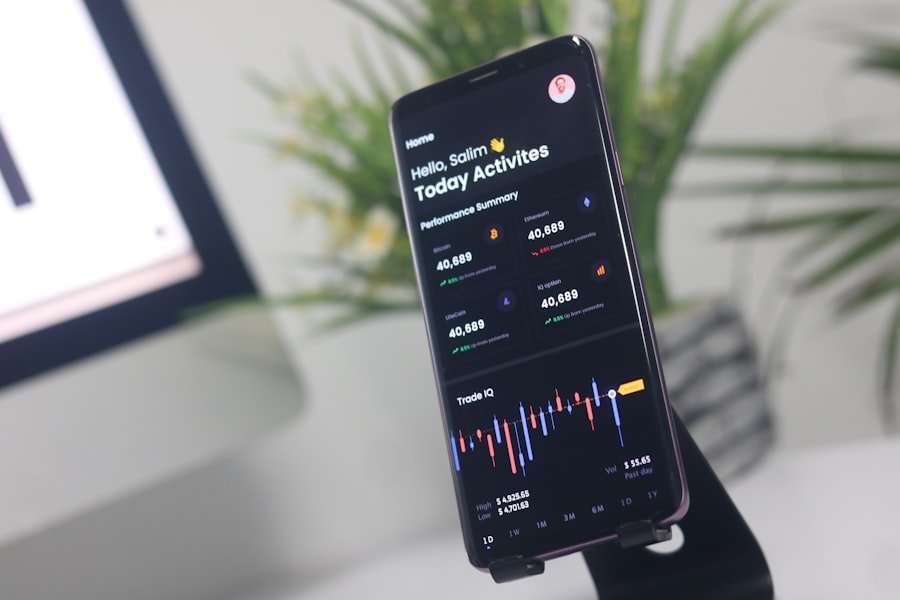
This is where the actual coding happens.
Backend Development (Smart Contracts and APIs)
Developers write, test, and deploy the smart contracts that embody the application’s logic. They also develop APIs (Application Programming Interfaces) that allow the front-end to communicate with the blockchain and any off-chain components. This often involves integrating with blockchain nodes, wallets, and other blockchain services.
Frontend Development (User Interface)
Using frameworks like React, Angular, or Vue.js, developers build the user-facing part of the application. This involves connecting the UI to the backend APIs and ensuring a seamless and responsive user experience across different devices.
Integration with Existing Systems
Many custom blockchain apps need to interact with legacy systems, databases, or third-party services. This integration can be complex and requires careful planning and execution to ensure data consistency and secure communication.
Testing and Deployment: Ensuring Quality and Launch

No software is ready without rigorous testing.
Unit Testing and Integration Testing
Individual smart contracts and application components are tested in isolation (unit testing) and then together to ensure they function as expected and interact correctly (integration testing). This helps catch bugs early in the development cycle.
Security Audits
Given the immutable nature of blockchain and the financial implications often involved, security audits are absolutely critical. Independent security firms specialized in blockchain and smart contract auditing are engaged to identify vulnerabilities, potential exploits, and design flaws. This is an essential step to prevent catastrophic losses.
Performance Testing and Scalability Assessment
Blockchain networks can have different performance characteristics. Testing how the application performs under various loads and assessing its scalability potential is crucial, especially for applications expected to handle a large number of users or transactions.
Deployment to Testnet and Mainnet
Before going live, the application is typically deployed to a testnet – a replica of the main blockchain network – to conduct final checks in a realistic environment without risking real assets. Once satisfied, it’s deployed to the mainnet, making it live and accessible to users.
Custom blockchain app development is gaining traction as businesses seek innovative solutions to enhance security and transparency. A related article discusses the importance of IT security in the cloud, which is crucial for safeguarding blockchain applications. You can explore this topic further by reading the insightful piece on IT security and cloud solutions, where various strategies are outlined to protect sensitive data in a decentralized environment. This intersection of blockchain and cloud security highlights the need for robust development practices in today’s digital landscape.
Post-Deployment: Maintenance, Monitoring, and Evolution
| Aspect | Metrics |
|---|---|
| Cost | Varies based on complexity |
| Timeframe | Depends on project scope |
| Security | High level of data security |
| Scalability | Ability to scale as needed |
| Customization | Highly customizable features |
The journey doesn’t end at deployment.
Ongoing Maintenance and Updates
Like any software, blockchain applications require ongoing maintenance, bug fixes, and updates to adapt to changing requirements, security patches, and network upgrades.
Performance Monitoring and Analytics
Continuous monitoring of the application’s performance, transaction throughput, and user engagement is vital. Analytics can provide valuable insights for future improvements and optimization.
Governance and Community Building (for Public DApps)
For decentralized applications on public blockchains, establishing a clear governance model and fostering an active community of users and developers is often crucial for long-term success and decentralization. This might involve setting up DAOs (Decentralized Autonomous Organizations) or other community-driven decision-making processes.
Key Considerations for Your Blockchain Project
Before you jump into custom blockchain development, there are a few practical aspects to keep in mind.
Team and Expertise
Building a custom blockchain app requires a specialized skill set. You’ll need developers proficient in blockchain protocols, smart contract languages, cryptography, and distributed systems. UI/UX designers with an understanding of decentralized applications are also important. Often, businesses partner with specialized blockchain development firms to access this expertise.
Cost and Time Investment
Custom development, by its nature, is more expensive and time-consuming than using off-the-shelf solutions. The cost will vary significantly based on complexity, the chosen blockchain protocol, the size of the team, and geographical location. Expect a significant upfront investment in both time and resources.
Regulatory and Legal Landscape
The regulatory environment around blockchain and cryptocurrencies is still evolving. Depending on your industry and the nature of your application (e.g., token issuance, data handling), you might face specific legal and compliance challenges. It’s crucial to consult with legal experts who specialize in blockchain.
Security Best Practices
We’ve touched on security, but it bears repeating. Smart contracts are immutable once deployed, meaning bugs or vulnerabilities can be extremely difficult, if not impossible, to fix without deploying a completely new contract, which can be disruptive. Prioritizing security from the design phase through rigorous testing and audits is paramount.
Scalability and Future-Proofing
Consider the future growth of your application. Will the chosen blockchain protocol and architecture be able to handle increased user loads and transaction volumes? Planning for scalability from the outset can save significant headaches down the line. The blockchain space evolves rapidly; building a modular and adaptable system will help ensure its longevity.