

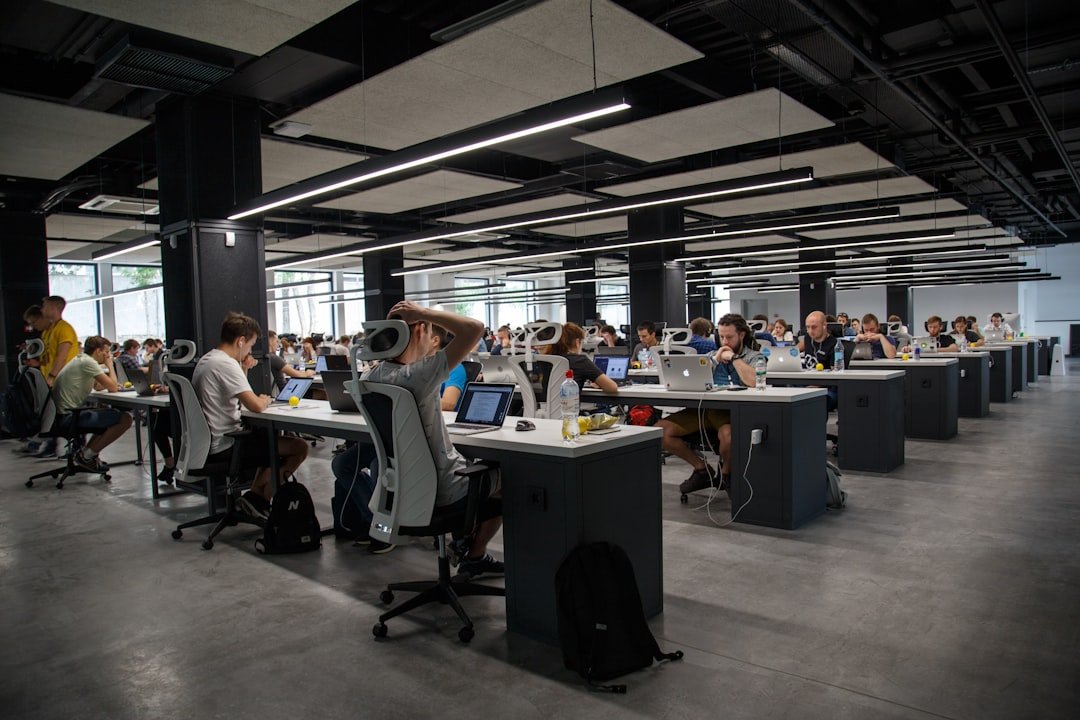
As we stand on the brink of a technological revolution, the emergence of artificial intelligence (AI) in the workforce is reshaping the landscape of employment. We find ourselves in an era where machines are not just tools but collaborators that can perform tasks traditionally reserved for humans.
The integration of AI into various sectors is prompting us to rethink our roles and responsibilities in the workplace, as well as the skills we need to thrive in this new environment. The AI workforce is characterized by its ability to analyze vast amounts of data, learn from patterns, and make decisions with remarkable speed and accuracy. As we delve deeper into this topic, we will explore the multifaceted impact of AI on employment, the future job market, and the necessary adaptations we must make to ensure that we remain relevant in an increasingly automated world.
By understanding these dynamics, we can better prepare ourselves for the challenges and opportunities that lie ahead.
Key Takeaways
- AI is transforming the job market by automating tasks and creating new employment opportunities.
- Reskilling and upskilling are essential for workers to thrive alongside AI technologies.
- Ethical considerations must guide the integration of AI to ensure fair and responsible employment practices.
- Human-AI collaboration enhances productivity and innovation in the workplace.
- Adapting to AI-driven changes is crucial for future job creation and workforce sustainability.
The Impact of AI on Employment
The impact of AI on employment is profound and multifaceted. On one hand, we witness the automation of routine tasks that were once performed by humans, leading to increased efficiency and productivity. For instance, industries such as manufacturing and logistics have embraced AI technologies to streamline operations, reduce costs, and enhance output.
However, this shift also raises concerns about job displacement, as machines take over roles that were previously filled by human workers. We must grapple with the reality that while some jobs may vanish, new opportunities will emerge in areas we may not yet fully comprehend. Moreover, the nature of work itself is evolving.
As AI systems become more sophisticated, they are capable of handling complex tasks that require critical thinking and problem-solving skills. This evolution compels us to adapt our skill sets to remain competitive in the job market. We are faced with the challenge of redefining our roles and finding ways to complement AI rather than compete against it.
The conversation around AI and employment is not solely about loss; it also encompasses the potential for growth and innovation in various sectors.
The Role of AI in the Future Job Market

Looking ahead, AI is poised to play a pivotal role in shaping the future job market. We can anticipate a landscape where jobs are not only created but also transformed by the integration of AI technologies. Certain sectors may experience a surge in demand for skilled professionals who can design, implement, and manage AI systems.
Fields such as data science, machine learning, and cybersecurity are likely to see significant growth as organizations seek individuals who can harness the power of AI to drive business success. Furthermore, as we embrace AI in our workplaces, we must also consider how it will influence job roles across various industries. Many positions will evolve to incorporate AI tools, requiring us to develop new competencies that align with these advancements.
For example, healthcare professionals may leverage AI for diagnostics and treatment planning, while educators might use intelligent tutoring systems to enhance student learning experiences. The future job market will demand a blend of technical skills and human-centric abilities, such as empathy and creativity, which machines cannot replicate.
Reskilling and Upskilling for the AI Workforce
| Metric | Description | Value | Unit |
|---|---|---|---|
| Percentage of Workforce Needing Reskilling | Proportion of employees requiring new skills to work effectively with AI technologies | 40 | % |
| Average Training Hours per Employee | Average number of hours spent on reskilling/upskilling programs annually | 35 | Hours |
| Top Skills in AI Reskilling Programs | Most commonly taught skills in AI workforce development | Data Analysis, Machine Learning, AI Ethics | Skills |
| Employee Retention Rate Post-Training | Percentage of employees retained after completing AI reskilling/upskilling | 85 | % |
| Increase in Productivity After Upskilling | Average productivity improvement reported by employees after AI training | 20 | % |
| Investment in AI Reskilling Programs | Average annual investment per employee for AI-related training | 1200 | Units |
| Percentage of AI Roles Filled Internally | Proportion of AI-related job openings filled by reskilled/upskilled existing employees | 60 | % |
In light of these changes, reskilling and upskilling have become essential strategies for navigating the AI workforce. We must recognize that continuous learning is no longer optional; it is a necessity for career advancement and job security. Organizations are increasingly investing in training programs that equip employees with the skills needed to work alongside AI technologies effectively.
This commitment to lifelong learning fosters a culture of adaptability and resilience within the workforce. Moreover, we should take personal responsibility for our professional development by seeking out opportunities to enhance our skill sets. Online courses, workshops, and industry certifications are valuable resources that can help us stay abreast of emerging trends in AI and related fields.
By proactively engaging in reskilling initiatives, we position ourselves as valuable assets in an evolving job market, ready to embrace new challenges and seize opportunities as they arise.
The Ethical Considerations of AI in Employment
As we navigate the complexities of integrating AI into the workforce, ethical considerations must remain at the forefront of our discussions. We must grapple with questions surrounding bias in AI algorithms, data privacy, and the potential for discrimination in hiring practices. It is crucial that we advocate for transparency and accountability in AI systems to ensure that they serve all individuals fairly and equitably.
Additionally, we should consider the implications of relying on AI for decision-making processes that impact people’s lives. The potential for unintended consequences necessitates a careful examination of how AI technologies are developed and deployed within organizations. By fostering an ethical framework for AI implementation, we can work towards creating a future where technology enhances human potential rather than undermines it.
The Advantages and Disadvantages of AI in the Workplace

The advantages of incorporating AI into the workplace are numerous and compelling. We can expect increased efficiency, reduced operational costs, and enhanced decision-making capabilities as machines take on repetitive tasks and analyze data at unprecedented speeds. This allows us to focus on higher-level responsibilities that require creativity and strategic thinking.
Furthermore, AI can facilitate better customer experiences through personalized interactions and improved service delivery. However, we must also acknowledge the disadvantages associated with this technological shift. Job displacement remains a significant concern as automation threatens traditional roles across various sectors.
Additionally, there is a risk of over-reliance on technology, which could lead to diminished human oversight and critical thinking skills. Striking a balance between leveraging AI’s capabilities while preserving essential human qualities will be crucial as we navigate this new landscape.
How AI is Changing the Nature of Work
AI is fundamentally changing the nature of work itself. As we integrate intelligent systems into our daily tasks, we find ourselves collaborating with machines in ways that were once unimaginable. This collaboration can enhance our productivity and creativity by providing us with insights and recommendations based on data analysis.
For instance, marketers can utilize AI-driven analytics to tailor campaigns more effectively, while engineers can leverage machine learning algorithms to optimize designs. Moreover, the rise of remote work facilitated by AI technologies has transformed our work environments. We now have access to tools that enable seamless communication and collaboration across geographical boundaries.
This shift has not only expanded our talent pool but has also allowed us to embrace more flexible work arrangements that cater to individual preferences and lifestyles.
The Importance of Human-AI Collaboration
As we move forward into an era defined by AI integration, human-AI collaboration will be paramount to our success in the workplace. Rather than viewing machines as competitors, we should embrace them as partners that augment our capabilities. By leveraging AI’s strengths—such as data processing and pattern recognition—we can enhance our decision-making processes and drive innovation within our organizations.
To foster effective collaboration between humans and AI systems, we must prioritize communication and understanding between both parties. This involves not only training employees to work alongside AI but also ensuring that AI systems are designed with user experience in mind. By creating intuitive interfaces and providing clear guidelines for interaction, we can maximize the benefits of human-AI collaboration while minimizing potential friction.
The Challenges of Integrating AI into the Workforce
Despite the promising potential of AI integration into the workforce, several challenges remain that we must address collectively. One significant hurdle is resistance to change among employees who may fear job loss or feel overwhelmed by new technologies. To overcome this resistance, organizations must foster a culture of openness and support that encourages employees to embrace change rather than resist it.
Additionally, ensuring equitable access to training resources is essential for successful integration. We must recognize that not all employees have equal opportunities to develop their skills in relation to AI technologies. By investing in comprehensive training programs that cater to diverse learning needs, organizations can empower their workforce to adapt effectively to new demands.
The Future of Job Creation in the Age of AI
As we look toward the future, job creation in the age of AI will likely take on new forms that reflect the evolving landscape of work. While certain roles may become obsolete due to automation, new positions will emerge that require a blend of technical expertise and human-centric skills. For instance, jobs focused on managing AI systems or interpreting data insights will become increasingly vital as organizations seek individuals who can bridge the gap between technology and human needs.
Moreover, entrepreneurship may flourish as individuals leverage AI tools to launch innovative ventures or enhance existing businesses. The democratization of technology allows us to explore new avenues for creativity and problem-solving that were previously inaccessible. By embracing this entrepreneurial spirit, we can contribute to a dynamic job market that thrives on innovation and adaptability.
Adapting to the AI Workforce
In conclusion, adapting to the AI workforce requires a proactive approach from all stakeholders involved—employees, employers, educators, and policymakers alike. As we navigate this transformative era, we must prioritize continuous learning and skill development while fostering ethical practices in technology implementation. By embracing collaboration between humans and machines, we can harness the full potential of AI while preserving our unique human qualities.
Ultimately, our ability to adapt will determine our success in this new landscape. By remaining open-minded and committed to growth, we can shape a future where technology enhances our work experiences rather than diminishes them. Together, let us embrace the opportunities presented by the AI workforce while addressing its challenges head-on with resilience and determination.
As the integration of artificial intelligence into various industries continues to evolve, understanding the implications for the workforce becomes increasingly important. A related article that delves into the intersection of cloud computing and security, which is crucial for AI deployment, can be found here: Cloud Computing and Security. This article explores how cloud technologies are shaping the future of work and the role of AI in enhancing security measures.
FAQs
What is an AI workforce?
An AI workforce refers to the integration of artificial intelligence technologies and systems into the workforce, where AI tools and machines perform tasks traditionally done by human employees.
How does AI impact the workforce?
AI can automate repetitive and mundane tasks, enhance productivity, enable data-driven decision-making, and create new job roles focused on AI development and management. However, it may also lead to job displacement in certain sectors.
Which industries are most affected by AI workforce integration?
Industries such as manufacturing, healthcare, finance, customer service, and logistics are significantly impacted by AI, as these sectors often use AI for automation, data analysis, and improving operational efficiency.
What skills are important for working alongside AI?
Skills such as data literacy, programming, machine learning knowledge, critical thinking, and adaptability are important for employees to effectively collaborate with AI systems and manage AI-driven processes.
Can AI replace human workers completely?
While AI can automate many tasks, it is unlikely to replace human workers entirely. Many roles require creativity, emotional intelligence, and complex decision-making that AI cannot fully replicate.
How can companies prepare their workforce for AI integration?
Companies can invest in employee training and reskilling programs, promote a culture of continuous learning, and encourage collaboration between human workers and AI technologies to ensure smooth integration.
What are the ethical considerations of an AI workforce?
Ethical considerations include ensuring transparency in AI decision-making, preventing bias in AI algorithms, protecting employee privacy, and addressing the social impact of job displacement.
Is AI workforce adoption cost-effective for businesses?
AI adoption can lead to cost savings through increased efficiency and reduced labor costs, but it requires upfront investment in technology, training, and infrastructure.
What is the future outlook for the AI workforce?
The AI workforce is expected to grow, with AI becoming more integrated into various job functions. This will likely lead to new job categories, increased collaboration between humans and AI, and ongoing changes in workforce dynamics.